Foot massager for plantar fasciitis: easing heel and arch pain at home
That sharp, stabbing pain in the heel with your first steps in the morning is one of the most common foot complaints in the UK. Here's how a foot massager fits into easing plantar fasciitis at home, alongside the self-care steps that matter most.
Written and reviewed by the Struqt UK team · Updated 8 October 2026
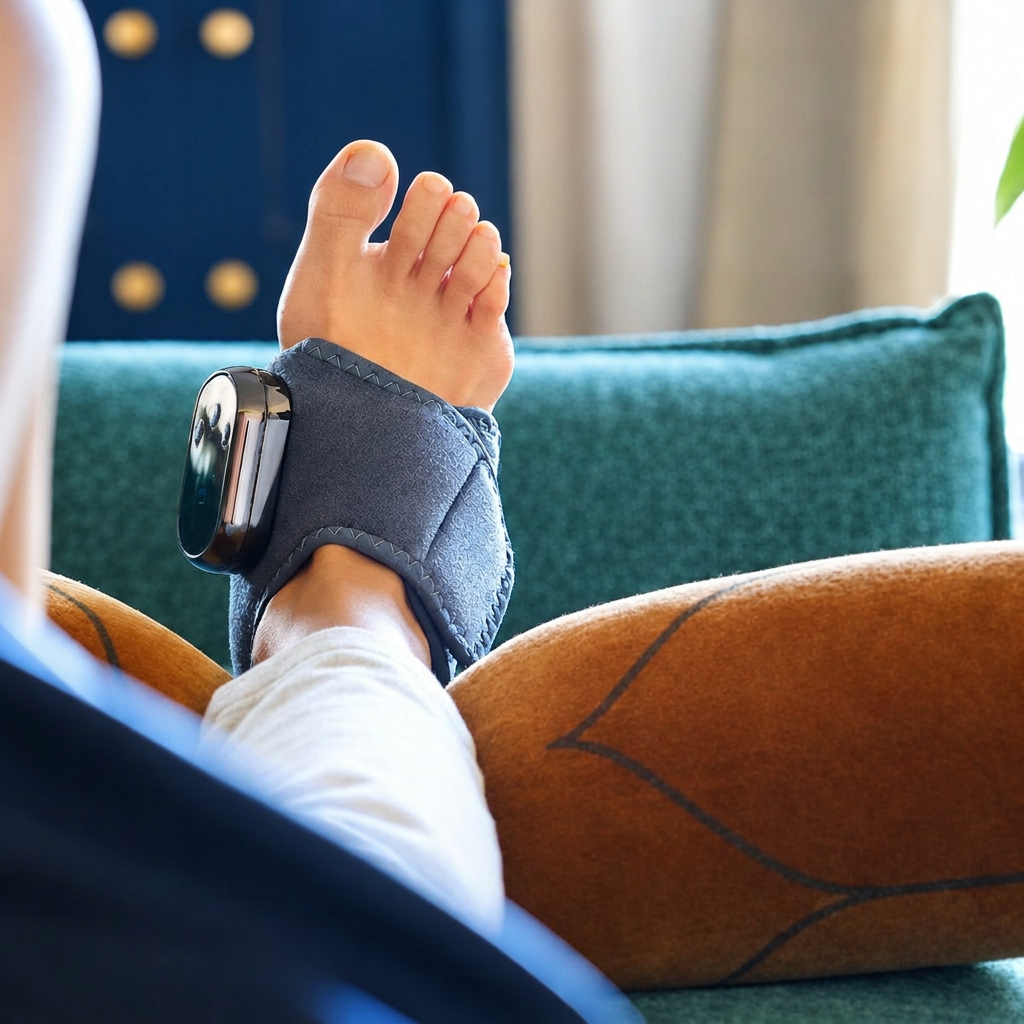
Struqt Foot Companion at a glance
- Heat, vibration massage and compression in one cordless wrap
- Free UK delivery
- 90-day money-back guarantee
- Free swelling guide with 2+ packs
- Secure Shopify checkout
Quick answer
A foot massager can help ease the tight, aching feeling in the arch and heel that comes with plantar fasciitis – warmth relaxes tight tissue and massage helps tired muscles unwind. It works best alongside the NHS self-care steps: rest, supportive shoes, stretching and, if needed, ice for flare-ups. Most cases improve within a few months. See a GP or podiatrist if pain is severe, getting worse or hasn't improved after two weeks of self-care.
What is plantar fasciitis?
The plantar fascia is a thick band of tissue running along the bottom of your foot, from the heel to the toes. It supports your arch every time you stand or walk. When it becomes irritated or strained, it causes plantar fasciitis – pain usually felt on the bottom of the heel or along the arch.
Typical signs include:
- pain that's worst with your first steps in the morning, or after sitting for a while
- pain that eases a little once you start moving, then returns after long periods on your feet
- tenderness when you press the bottom of your heel
- difficulty raising your toes off the floor
It's more likely if you're aged 40 to 60, stand a lot for work, are overweight, wear flat or unsupportive shoes, or have recently increased walking or running. The good news: the NHS says most people get better within a few months with self-care.
How a foot massager can help heel and arch pain
Massage is one of the most popular home remedies for plantar fasciitis, and it's easy to see why. A tight, overworked arch often feels much better after warmth and gentle pressure. The Struqt Foot Companion offers:
- Soothing heat to help relax the tight tissue and muscles in the sole and around the heel – especially welcome in the evening or before bed.
- Vibration massage to ease tired, aching muscles after a long day standing.
- Gentle compression around the foot and ankle, which many people find comforting when their feet feel heavy and tired.
It's best thought of as a comfort tool: it helps you feel better day to day while your foot recovers through rest, good shoes and stretching. It won't "fix" the fascia on its own, and it isn't a substitute for advice from a podiatrist if your pain doesn't settle.
NHS self-care steps for plantar fasciitis
The NHS recommends these steps to ease heel pain. A foot massager fits alongside them, not instead of them:
- Rest and raise your foot on a stool when you can.
- Wear shoes with cushioned heels and good arch support, and avoid walking barefoot on hard floors.
- Use insoles or heel pads – you can buy these from pharmacies.
- Do regular gentle stretches (see below).
- Lose weight if you're overweight, to reduce load on the heel.
- Try ice wrapped in a towel for up to 20 minutes every 2 to 3 hours during a painful flare-up.
- Ask a pharmacist about painkillers such as paracetamol or ibuprofen.
Things to avoid: walking or standing for long periods, high heels or tight pointy shoes, and flip-flops or shoes with thin soles.
Heat or ice for plantar fasciitis?
This is one of the most common questions we're asked. A simple rule of thumb many people follow:
| Situation | Often preferred | Why |
|---|---|---|
| Fresh, sharp flare-up after a long day | Ice (wrapped in a towel) | Can help calm a painful, irritated heel |
| Tight, stiff, achy arch – especially in the evening | Gentle warmth and massage | Helps tight tissue and muscles relax |
| Before stretching | Gentle warmth | Many people find stretches easier when the foot is warm |
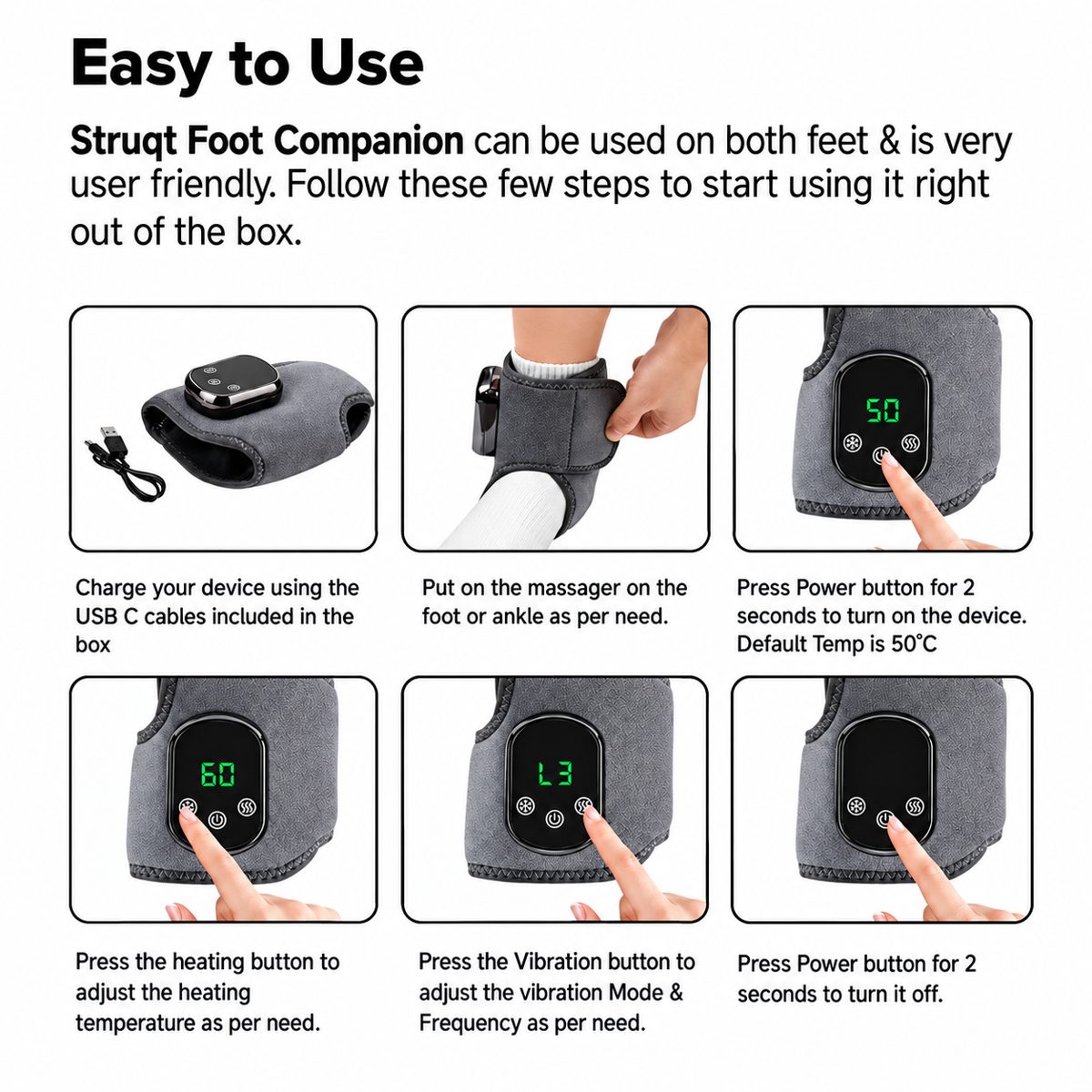
With the Struqt Foot Companion you can use massage and compression with the heat switched to its lowest setting if you prefer less warmth. If you're unsure what suits your foot, ask a pharmacist or podiatrist.
A 20-minute evening routine for sore heels
- Calf stretch (2 minutes): stand facing a wall, one foot behind the other, back heel on the floor. Lean forward until you feel a stretch in the back calf. Hold 30 seconds, swap, repeat.
- Warm and massage (15 minutes): sit with your foot raised, wrap on the Struqt Foot Companion and start on a low setting.
- Arch stretch (2 minutes): sitting down, cross one foot over the opposite knee, gently pull your toes back towards your shin and hold for 30 seconds. Repeat on the other foot.
- Towel scrunches (1 minute): scrunch a towel towards you with your toes to strengthen the small muscles in the foot.
Do the arch stretch again before you get out of bed in the morning – it can make those first steps much easier.
When to see a GP or podiatrist
See a GP, or a podiatrist (you can often refer yourself on the NHS or see one privately), if:
- heel pain is severe or stops you doing normal activities
- it's getting worse or keeps coming back
- it hasn't improved after two weeks of self-care
- you have tingling or numbness in your foot
- you have diabetes – foot problems can be more serious
Get urgent advice (NHS 111 or A&E) if the pain followed an injury and is severe, you heard a snap or pop, or you can't walk.
Choosing a foot massager for plantar fasciitis
Look for adjustable heat, a massage that reaches the sole and heel, an automatic timer and a guarantee long enough to see if it helps – plantar fasciitis often takes weeks to settle. The Struqt Foot Companion comes with a 90-day money-back guarantee. Compare options in our best foot massager UK guide, or read about warmth in our heated foot massager guide.
Frequently asked questions
Does a foot massager help plantar fasciitis?
Many people find warmth and massage ease the tight, aching feeling in the arch and heel. It works best alongside rest, supportive shoes and regular stretches, which are the main NHS self-care steps.
Should I use heat or ice for plantar fasciitis?
Many people use ice for sharp flare-ups and gentle warmth for stiffness and tightness, especially before stretching. Ask a pharmacist or podiatrist if you're unsure.
How long should I massage my foot?
Around 15 minutes per foot, once or twice a day, is a sensible routine. Stop if the pain gets sharper.
How long does plantar fasciitis take to heal?
The NHS says most people improve within a few months with self-care. See a GP or podiatrist if it hasn't improved after two weeks of self-care or is getting worse.
Can I use it at work under my desk?
Yes, it's cordless and quiet, so many people use it at a desk or on a break. Keep your foot comfortable and don't stand or walk while wearing it.
Can it replace insoles or physiotherapy?
No. It's a comfort device to use alongside good shoes, insoles and any exercises your podiatrist or physiotherapist recommends.
Is there a guarantee?
Yes, every order has a 90-day money-back guarantee, plus free UK delivery.
Sources and further reading
Read next
The Struqt Foot Companion is a comfort and wellness device. It is not intended to diagnose, treat or cure any medical condition. If you have a health condition, are pregnant or have a pacemaker, speak to your GP before use.